
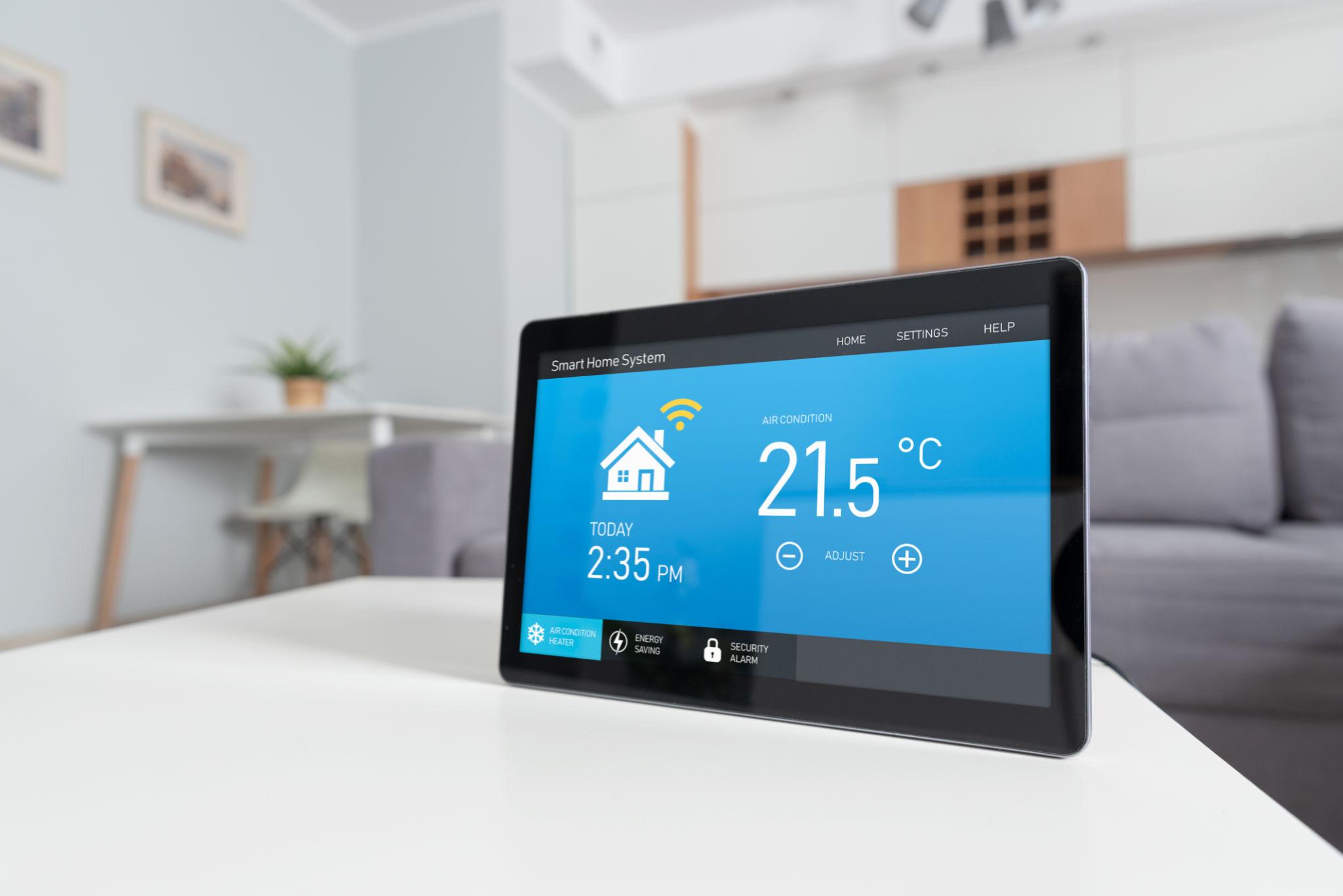
Smart home technology has become one of the fastest-growing trends in the electronics industry. In 2026, more households are using smart devices to improve convenience, security, and energy efficiency. Products like smart speakers, smart lighting systems, robotic vacuum cleaners, and intelligent thermostats are now common in modern homes.

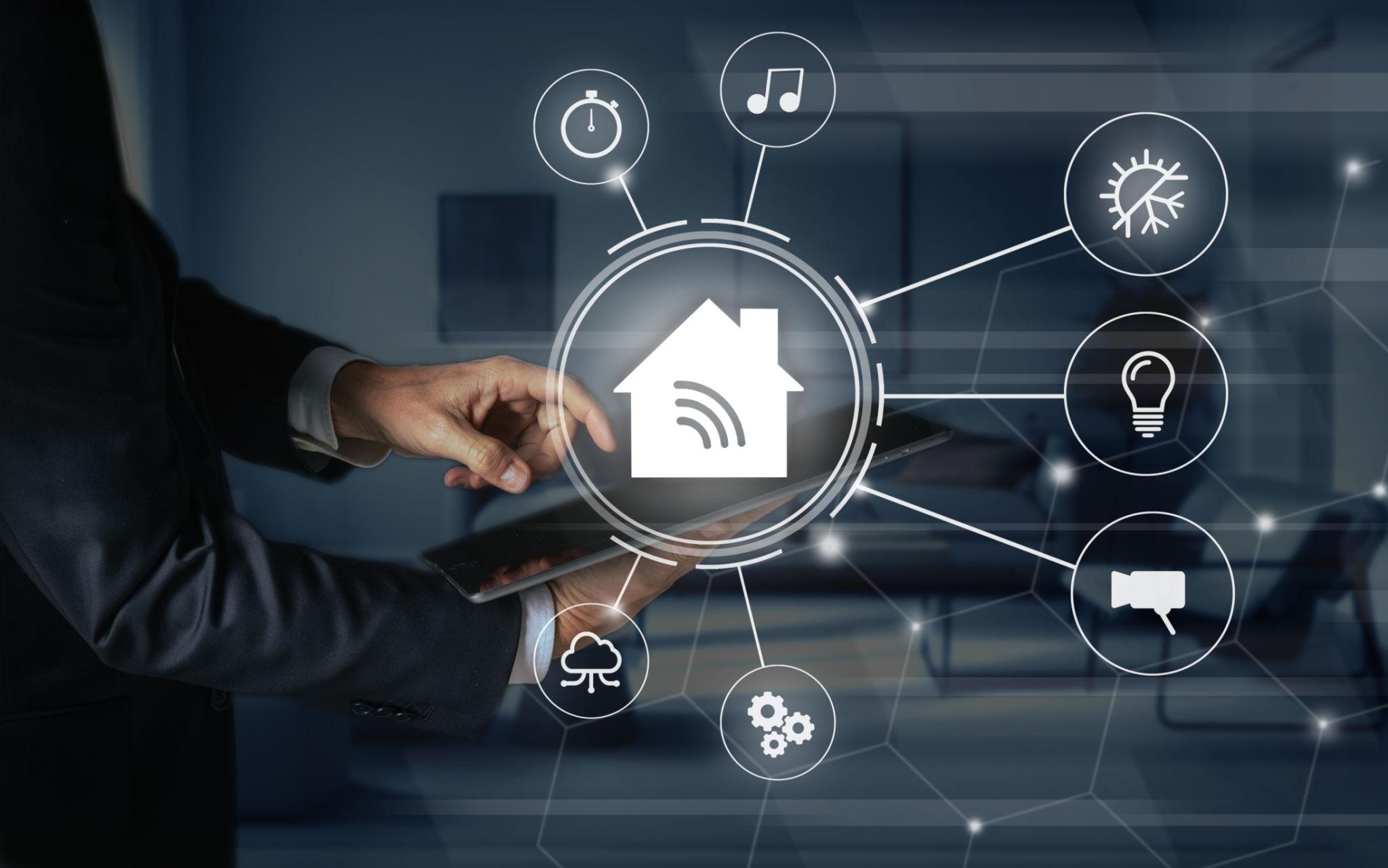
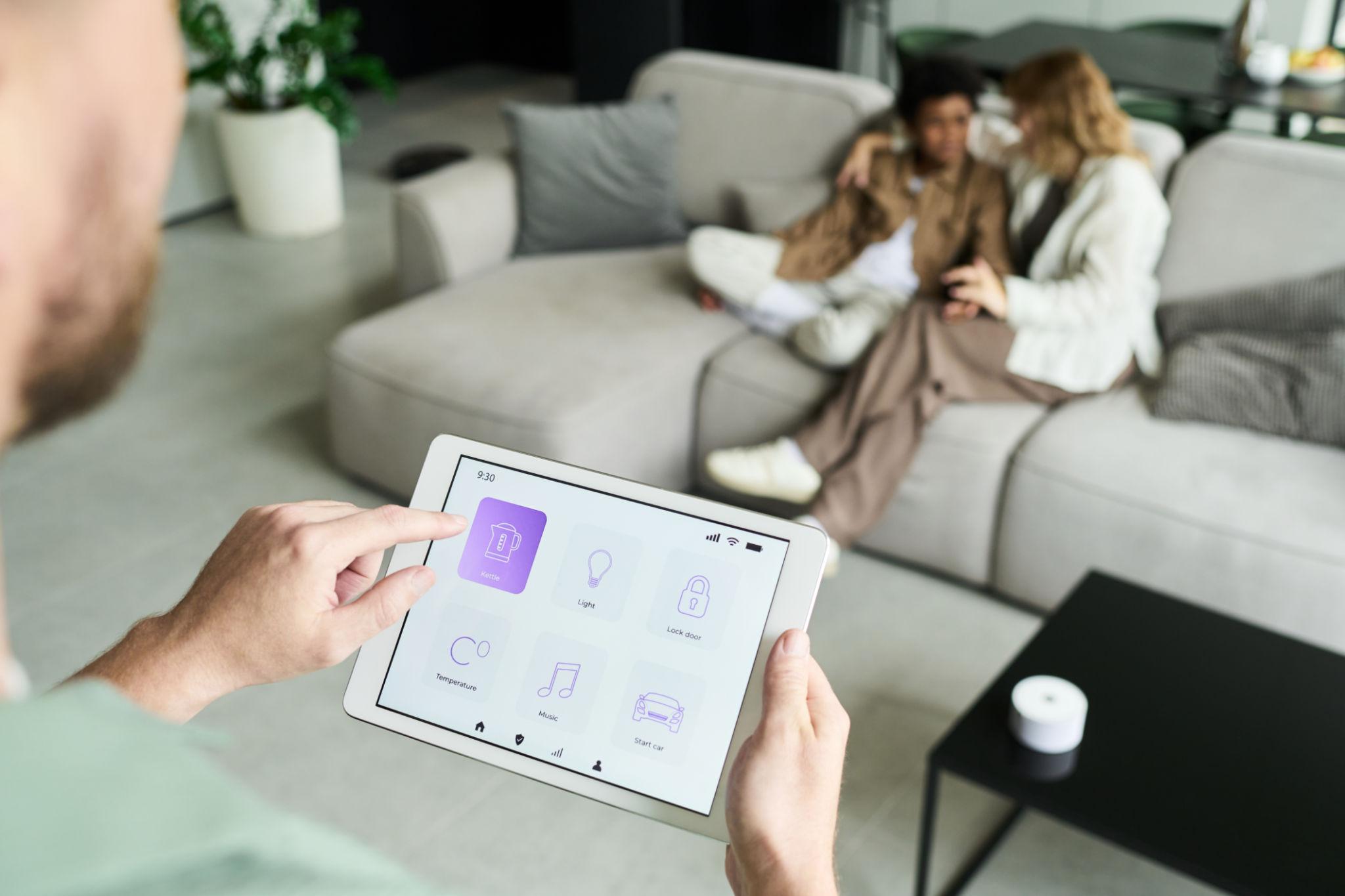
One major reason for the popularity of smart home devices is automation. Users can control lights, temperature, security cameras, and even kitchen appliances directly from their smartphones. Voice assistants such as Alexa and Google Assistant also make it easier to manage multiple devices through simple voice commands.
Another important advantage is energy savings. Smart thermostats can automatically adjust room temperatures based on user habits, helping families reduce electricity bills. Smart lighting systems can also turn off automatically when nobody is in the room.
Security has also improved significantly with modern smart electronics. Smart doorbells and security cameras allow homeowners to monitor their property remotely in real time. Motion detection alerts and cloud video storage provide additional protection for families.
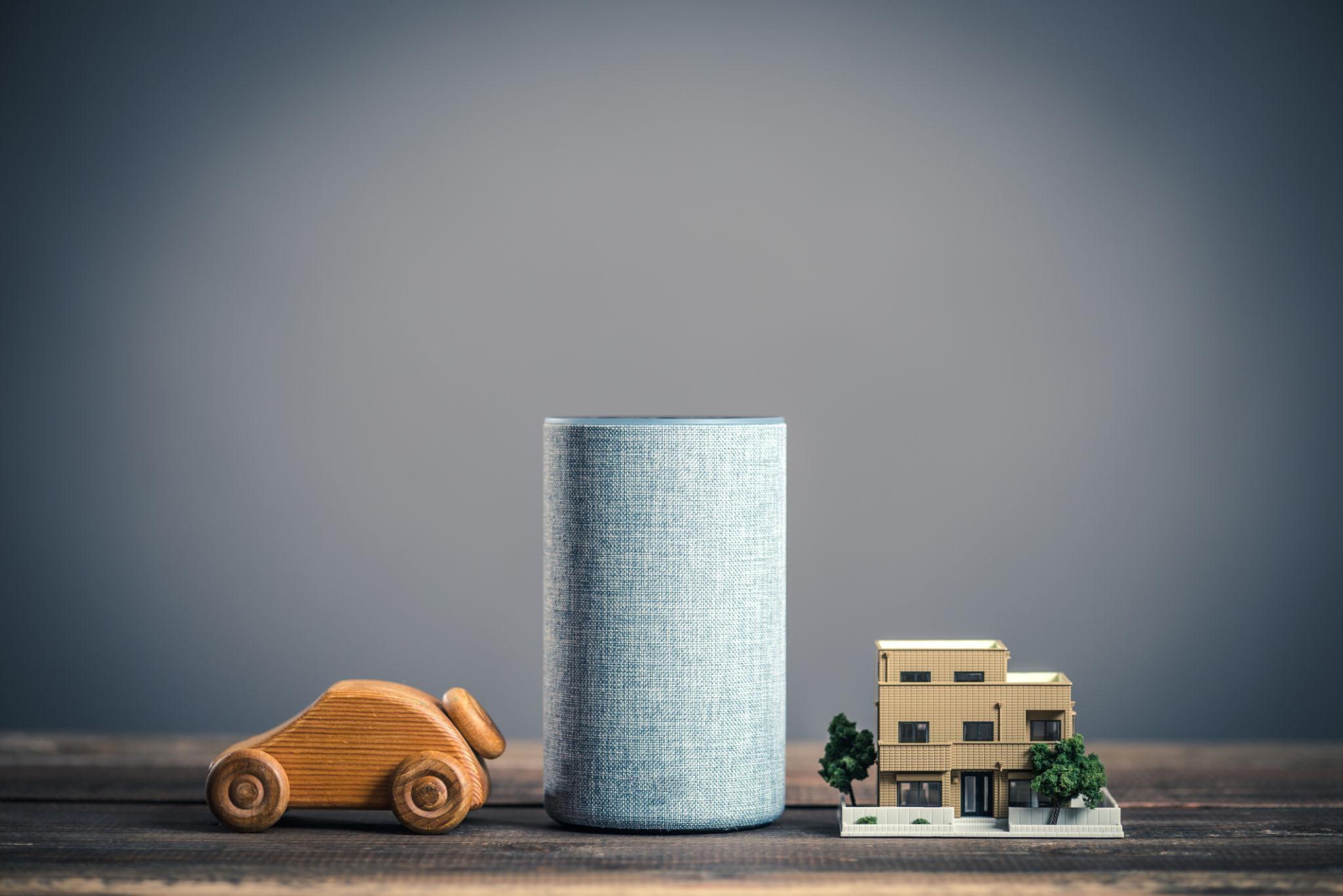
As artificial intelligence continues to evolve, smart home electronics will become even more advanced. Future devices are expected to learn user behavior more accurately and provide personalized experiences for every household.